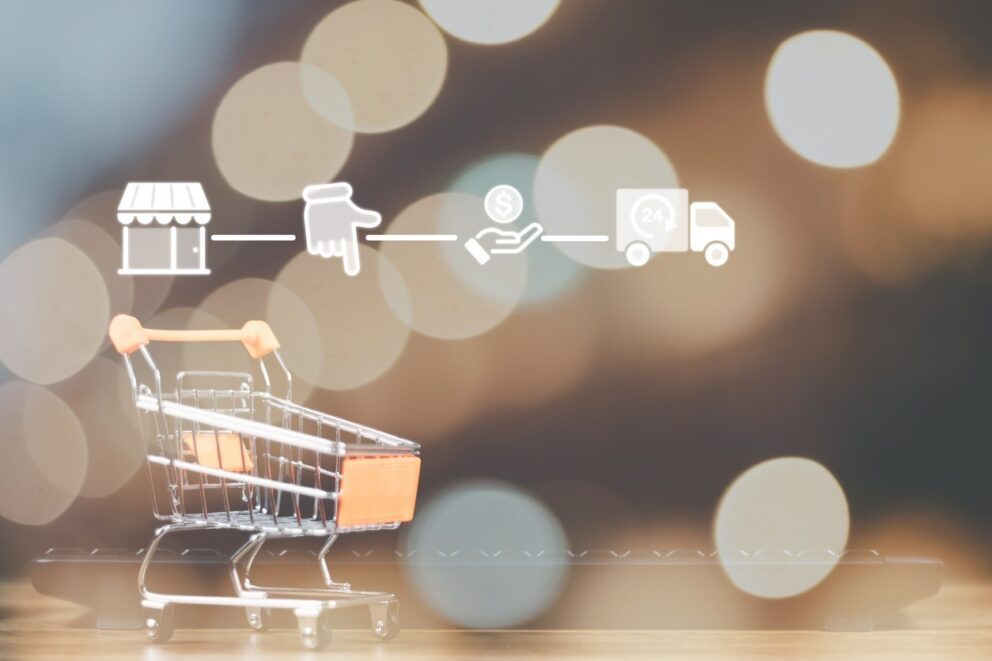
Not long ago, many retail products followed a relatively straightforward path from manufacturer to distribution center to store shelf. But the retail journey has changed. Today, retailers are expected to support multiple purchasing channels simultaneously. A single package may be stocked in stores, staged for BOPIS (Buy Online, Pick Up In Store) orders, prepared for curbside pickup, or shipped directly to consumers through e-commerce fulfillment networks.
Each touchpoint introduces different handling requirements and performance expectations. Packaging must be designed to perform reliably throughout each of those journeys.
Distribution Centers: The First Critical Touchpoint
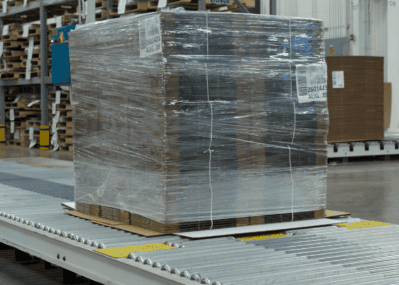
Before a product ever reaches a customer, it often moves through one or more distribution centers. Packaging plays an important role in:
- Protecting products during transportation and storage
- Optimizing pallet utilization
- Supporting automated handling
- Reducing damage and rework
- Improving warehouse efficiency
Packaging that performs well in distribution environments can help retailers maintain product availability while minimizing unnecessary costs throughout the supply chain.
The Store Shelf: Supporting Visibility and Efficiency
Despite the growth of e-commerce, the physical store remains a critical retail channel.
Store-ready packaging can help retailers:
- Replenish shelves more efficiently
- Improve product presentation
- Reinforce brand recognition
- Reduce labor associated with stocking displays
For many products, packaging serves as both a transportation solution and a merchandising tool, helping products arrive in good condition while creating an organized, appealing shopping experience.
BOPIS and Curbside Pickup: New Expectations for Packaging
According to Capital One Shopping, nearly 97.2 million Americans regularly use BOPIS, representing more than one-third of U.S. consumers. Additionally, 59% of shoppers now expect retailers to offer BOPIS options, making fulfillment flexibility an increasingly important part of a retailer’s operation.
In these environments, products may be picked from store shelves, staged in holding areas, moved multiple times by store associates, and ultimately loaded into customer vehicles. This creates additional opportunities for package handling that traditional retail packaging was not always designed to accommodate.
Packaging must balance durability, ease of handling, and efficient storage while helping retailers fulfill orders quickly and accurately.
Home Delivery: The Final Mile Challenge
When products are delivered directly to consumers, packaging faces another set of challenges. They may encounter:
- Multiple transfer points
- Parcel carrier handling
- Exposure to varying environmental conditions
At the same time, the package often becomes a direct reflection of both the retailer’s and brand owner’s commitment to quality. Effective packaging helps protect products through the final mile while supporting a positive customer experience upon delivery.
Designing for the Entire Retail Ecosystem
As retail channels continue to converge, packaging decisions increasingly affect multiple functions including operations, logistics, merchandising, procurement and customer experience.
Rather than designing packaging for a single destination, many companies are evaluating solutions that can support the full retail journey—from distribution center to store shelf, BOPIS fulfillment, curbside pickup and home delivery.
The goal is not simply to create a package that survives transportation. It is to create packaging that performs consistently across an increasingly connected retail ecosystem.
Looking Ahead
Retail will continue to evolve as customer expectations change and fulfillment models expand. However, these fulfillment options are doing more than meeting customer expectations, they are helping drive results. For example, Digital Commerce 360 reported that retail chains offering curbside pickup achieved a 4.1% conversion rate in 2025, compared to the 2.9% average conversion rate among retail chains overall.
To meet the challenge, retail packaging can no longer be designed for one destination, it must be designed for every stop along the way. Packaging that can adapt to multiple touchpoints may help companies improve efficiency, reduce damage, support merchandising goals and deliver a better customer experience.
For more information about how PCA can help you reach your operational and merchandising goals, please complete our inquiry form.
Like what you read? Then be the first to know when a new article is published by entering your email below!